
A saree is, at its simplest, a long, unstitched piece of cloth wrapped and draped around the body—no cuts, no seams, nothing permanently decided. However, within that simplicity lies an enormous range. Across the South Asian subcontinent and its diaspora, region after region has shaped its own way of draping the saree—its own prints and weaves, patterns and embellishments—each holding a tradition while still leaving room to reinvent it. The same long yardage might be worn for an ordinary day in someone’s life, or for a wedding, a festival, a religious rite, or a formal evening out. With each occasion, the way a saree is worn, its style shifts too. What holds true across all that diversity is every saree carries a story. A story of how it was chosen, worn, draped, bought, or passed down, or carried across a move, a migration, a lifetime.
Six Yards of Stories moves the saree from an object on display into a living archive of testimony. Rather than presenting the saree solely as an artifact, the exhibition understands it as lived experience. Here, each saree is paired with the story of the person who wore it, so the cloth is never separated from the voice, the memory, or the moment to which it belonged. Some of these sarees arrived in a suitcase decades ago, while others came here more recently, carried across oceans and a new life. This exhibition focuses on the community in Boone and across North Carolina, presenting sarees belonging to people who live, or once lived, only a few streets from this gallery. In doing so, it creates connections between the local and the global. Some sarees may have been worn for a dance or theatre performance. Another may have been folded and refolded through generations before reaching the person who now tells its story. Many connect it to their mothers, daughters and granddaughters, while others mark major events in the lives of those presenting them. In every case, one thing is certain: each saree carries a story of its own. By bringing these stories into one room, the exhibition becomes a gathering space. A visitor already familiar with the saree may recognize pieces of their own history and culture here, or see echoes of people they know within the community. A visitor encountering it for the first time may find an entry point into a new tradition, a diverse community, a way of remembering, that had been unfamiliar to them until now. Either way, the invitation to all is the same: to take in the range of color, fabric, embellishment, and drape on display, but also to slow down and look closer at the story held inside each of these yards of cloth.
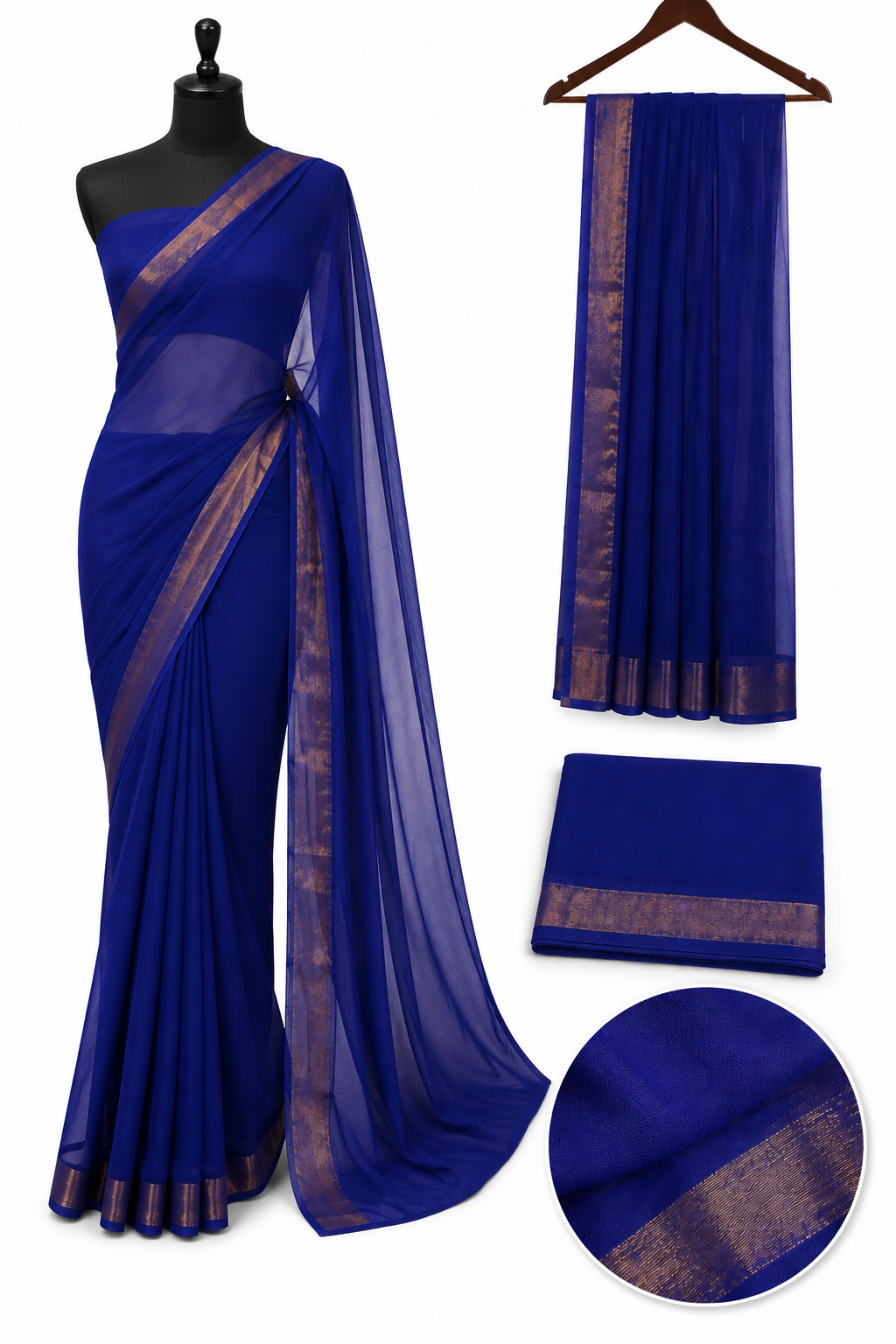
Courtesy of Saloni Mahajan
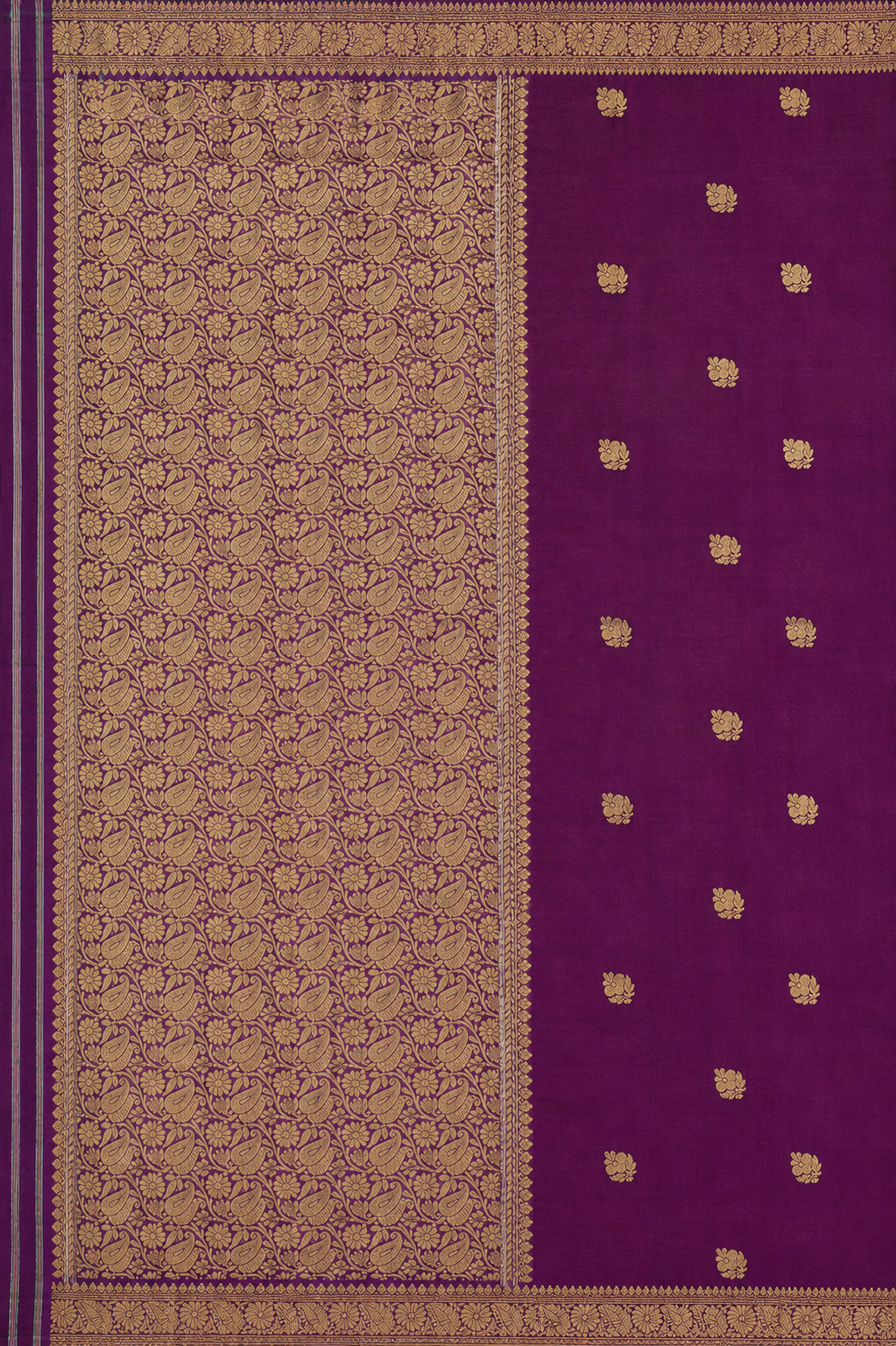
Banarasi Silk Saree, courtesy of Lubna Nafees
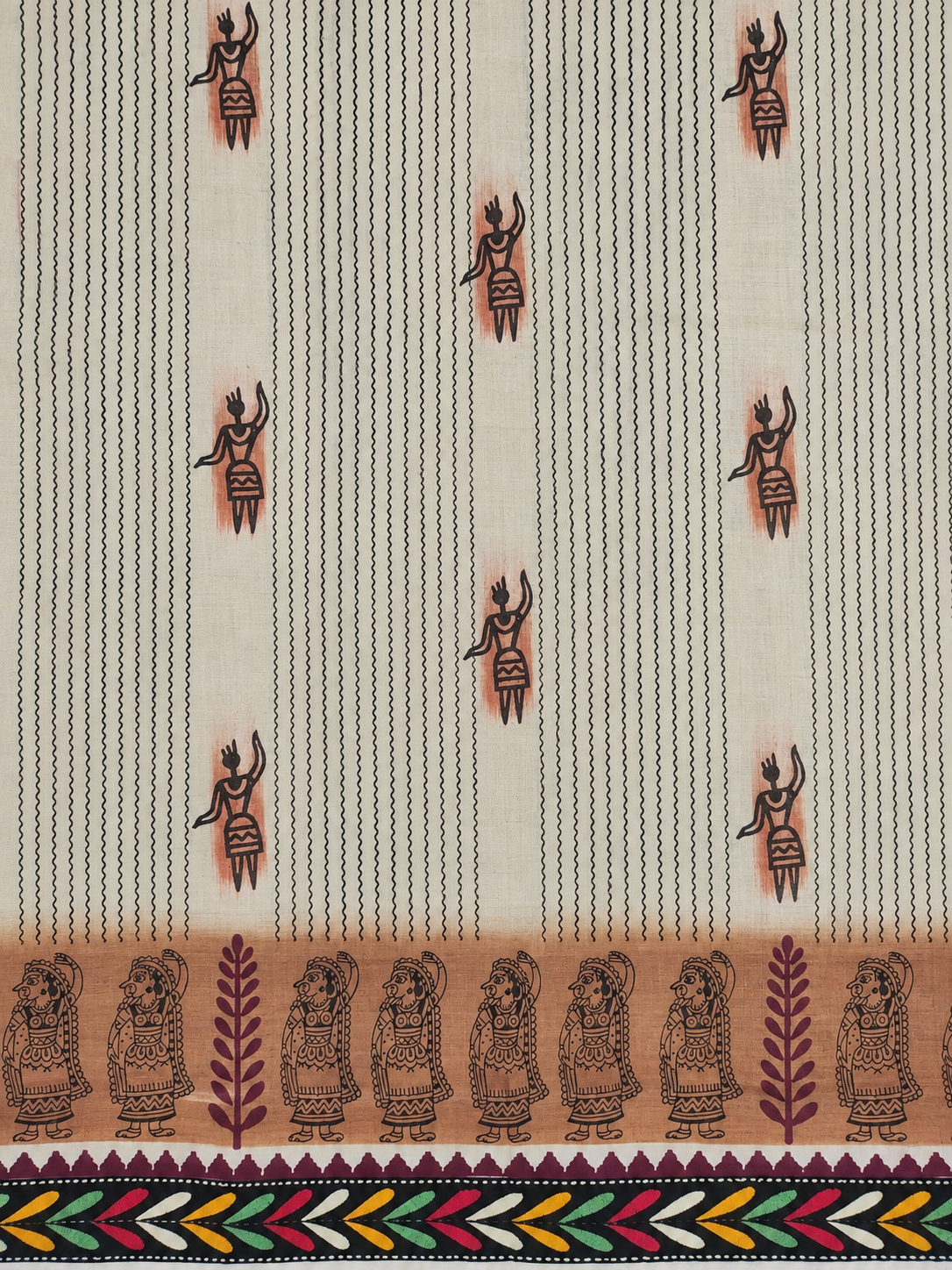
Bengal Tant Saree, Hand Block-Printed and Hand-Painted, courtesy of Anindita Das
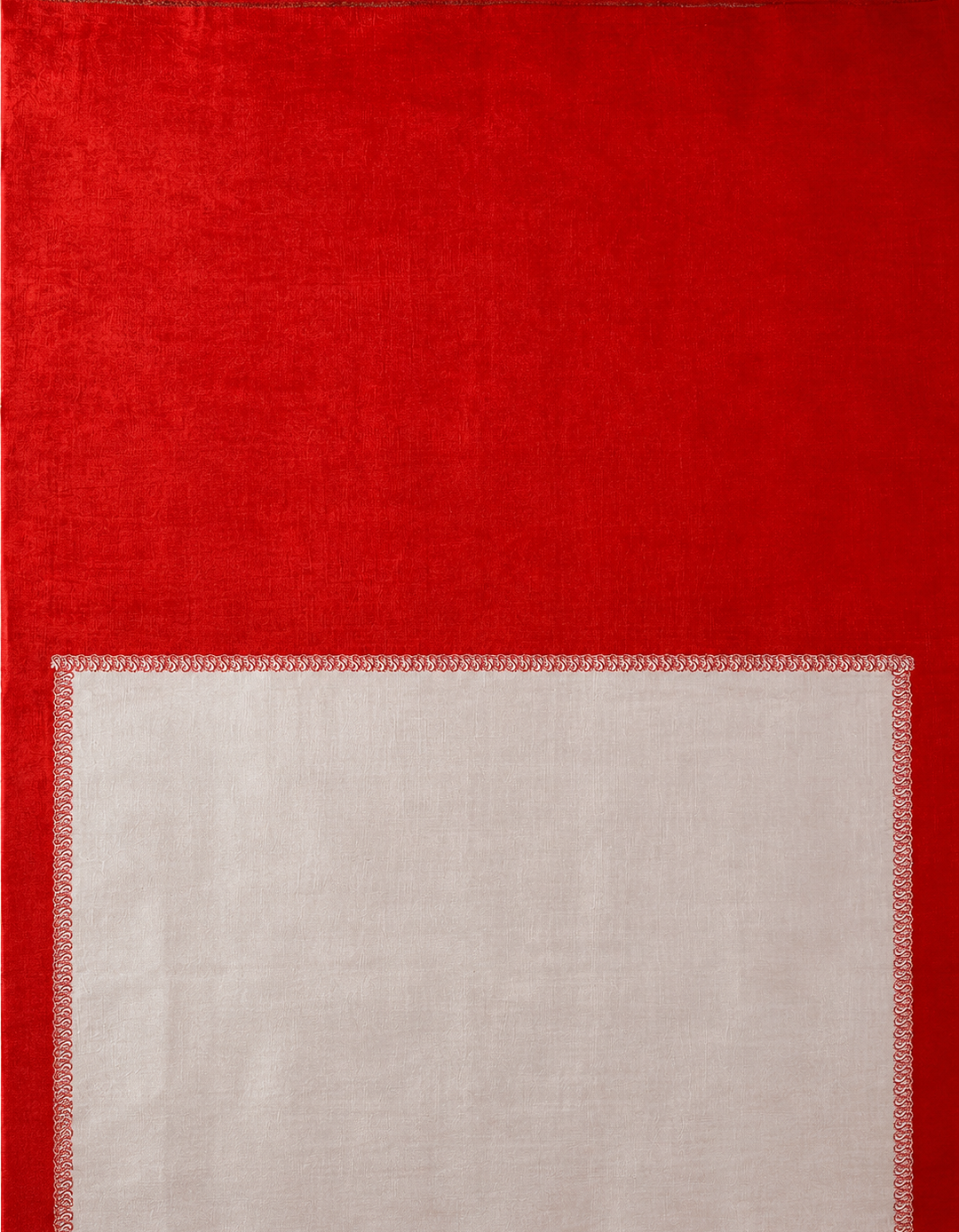
Gorod Saree, courtesy of Lubna Nafees
“Dress is never neutral. It is always doing something, that could be remembering, asserting, protecting, celebrating, or more.”
– Saloni Mahajan, Guest Curator
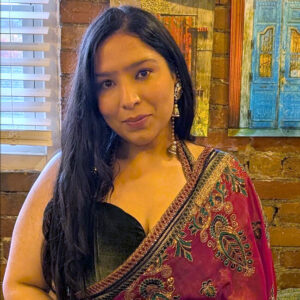
About the Guest Curator
Saloni Mahajan is an Assistant Professor of Theatre Arts (Costume and Makeup) at Appalachian State University. Her work brings together practice of costume design and scholarly research on performances. She began her career in fashion in India before working in costume departments for Bollywood films. Her experience inspired her to pursue formal training in Costume Design at the University of California, Los Angeles (UCLA). She is currently completing her PhD in Performance Studies at the University of Hawaiʻi at Mānoa (UHM). Saloni has designed costumes for theatre, dance, and films across the United States and India. Through her creative practice and scholarship, she seeks to draw greater attention to the role of costume and clothing in storytelling across a range of performance contexts, from stage and screen to the street and everyday lives.