

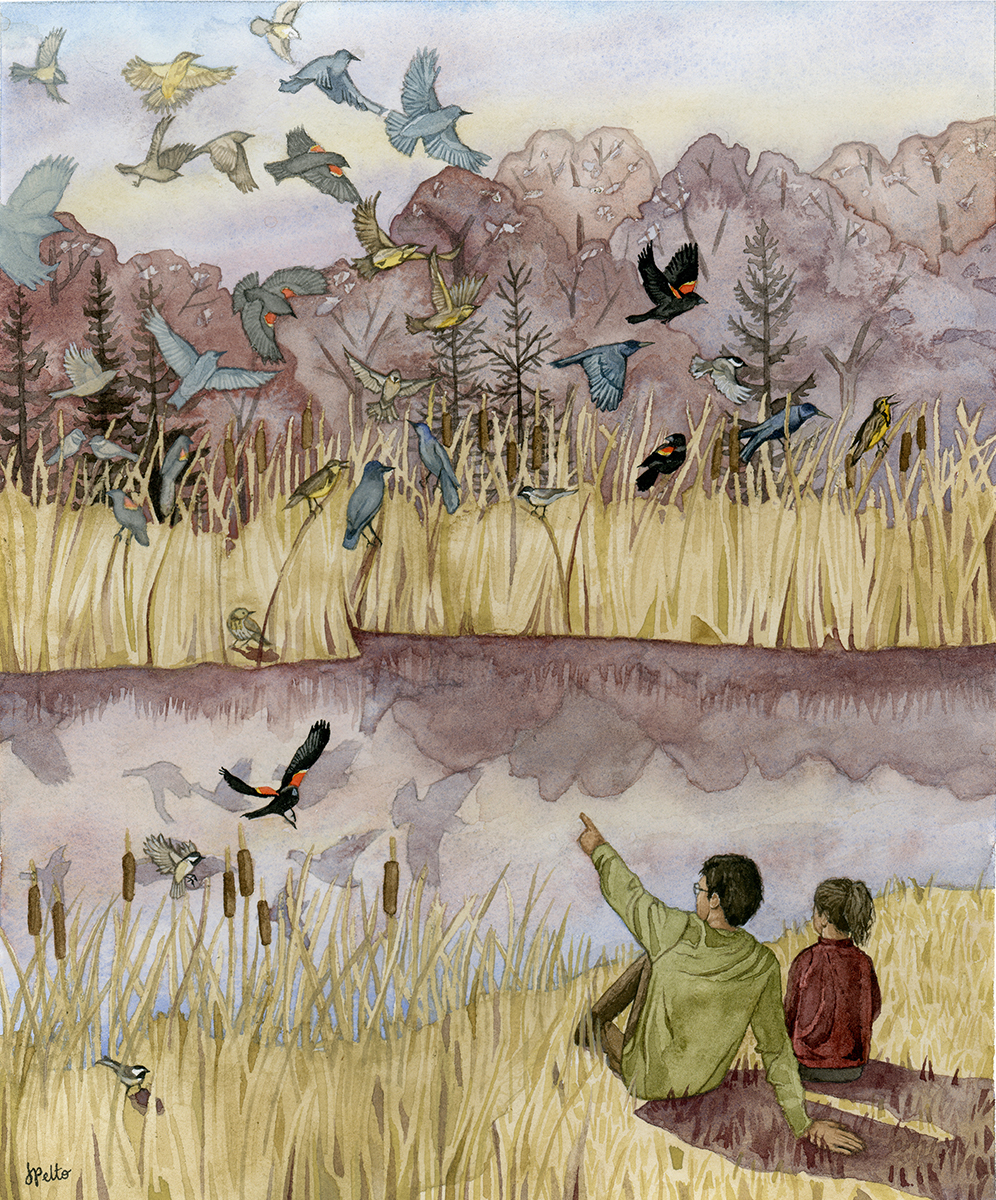
Feathered Memories
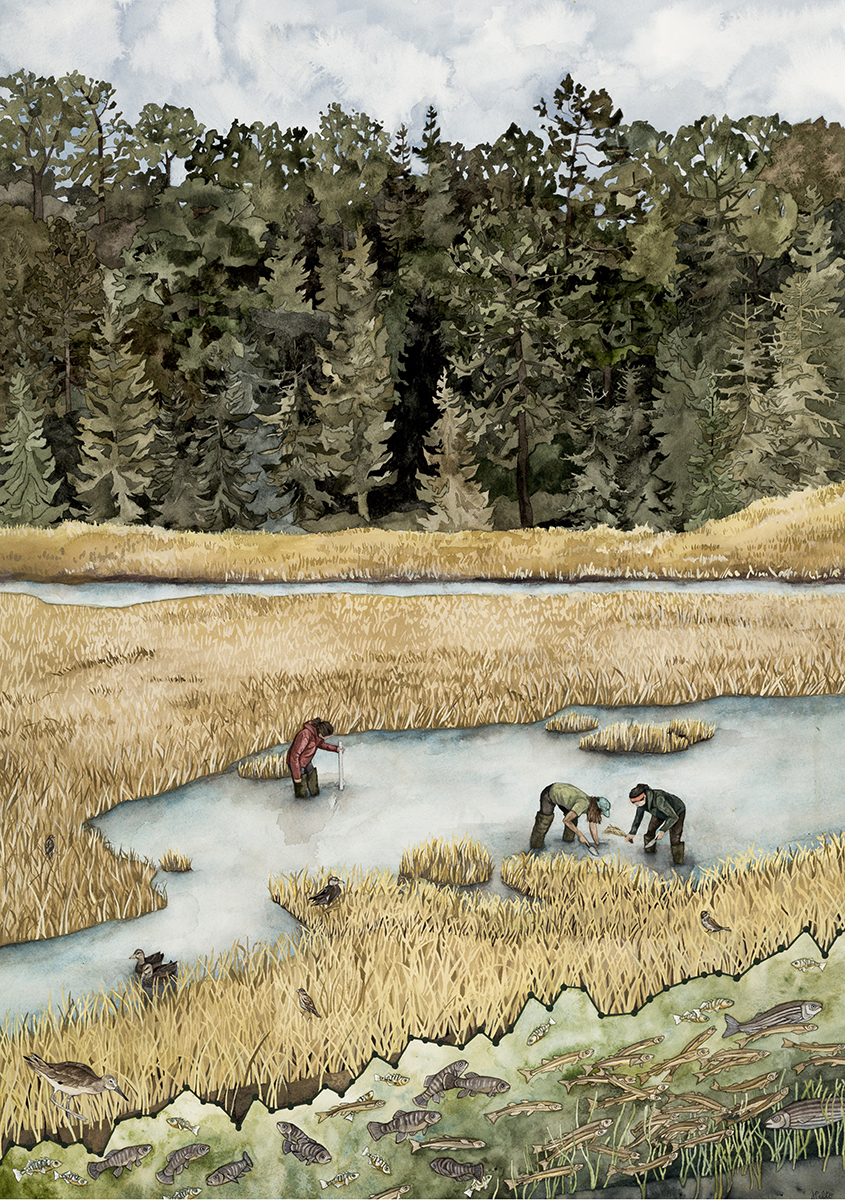
Replanting Resilience 1
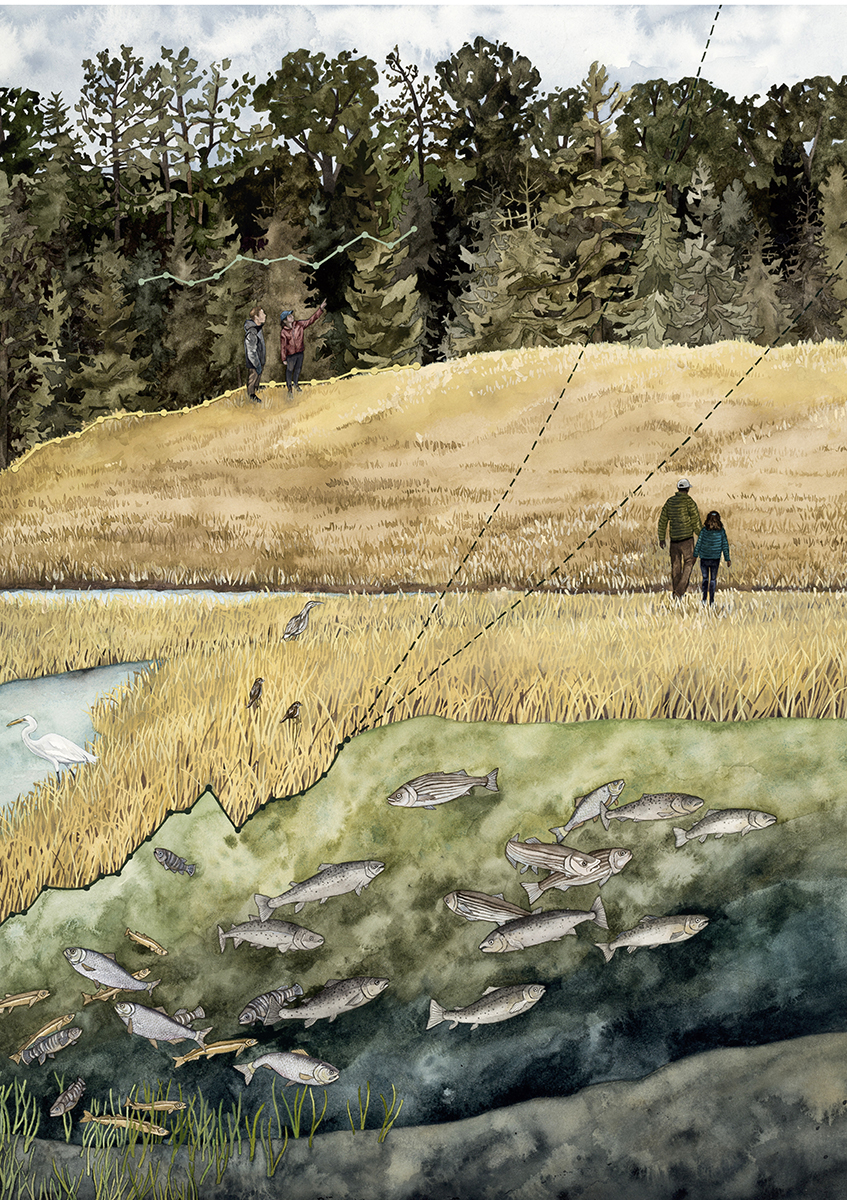
Replanting Resilience 2
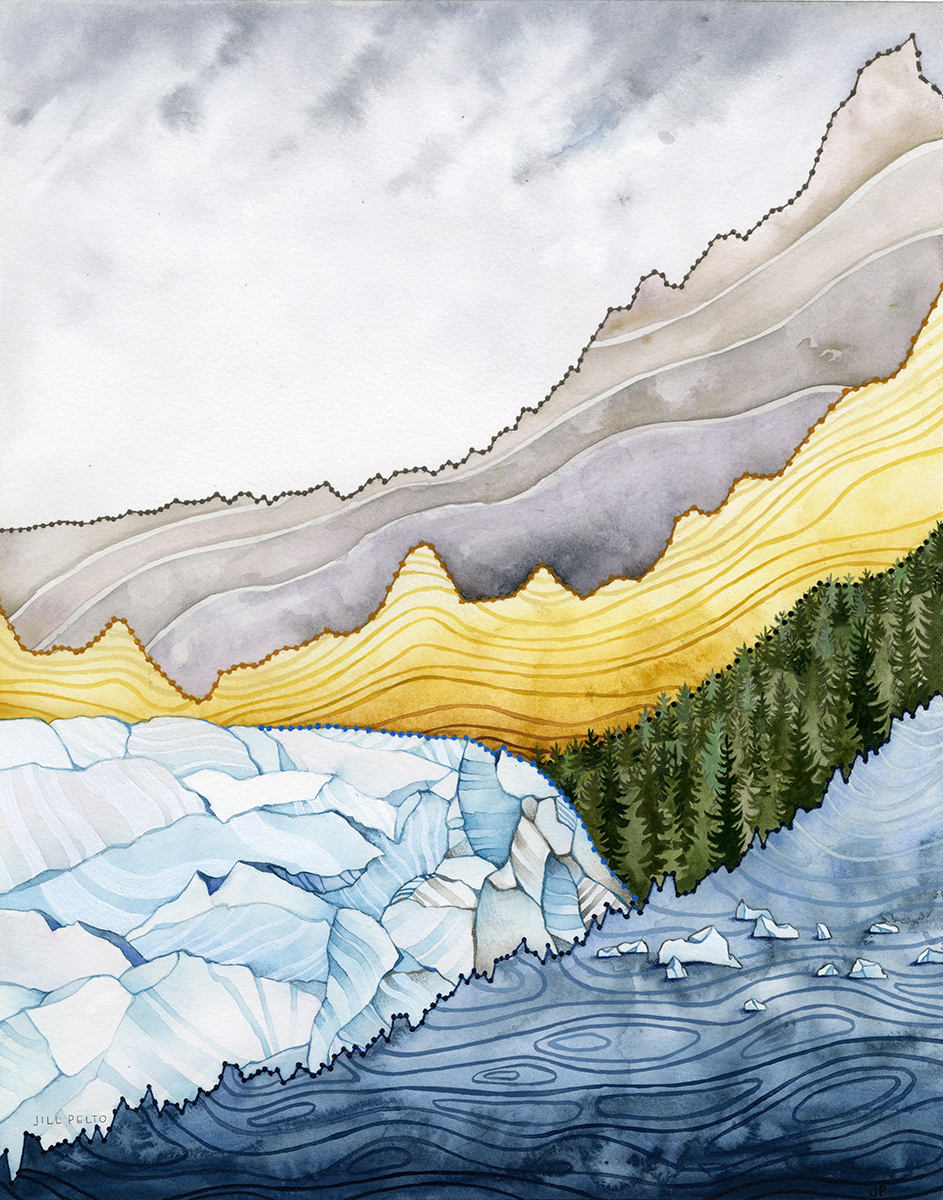
Currents
If every place has its unique genius loci—its distinctive (and often protective) spirit that animates place, then the southern Appalachian Mountains are no different. Indeed, the spirit of place may be more easily observed in the mountains of the Blue Ridge than other places. These mountains are home to one of the planet’s temperate rainforests. Rainforests are the earth’s oldest living ecosystems, incredibly diverse and complex. They are home to more than half of the world’s plant and animal species, even though they cover only six percent of the planet’s surface. As part of a fragile global eco-system, the rainforests of the Blue Ridge have much to teach us about sustainability as they consist of a web of interconnections between the weather—a complex ecosystem in and of itself—plants, animals, and the communities who inhabit them.
One of the functions of the natural landscape, as dissident author and activist Rebecca Solnit observes, is to nurture and provoke an exploration of the landscape of the imagination. Artist Jill Pelto does just that; her goal is to “engage people around science in ways that are emotionally relevant and thought-provoking—communicating human-environment connections.” Look closely at her precise landscape to see the maps and graphs she embeds in her paintings. Her website is immensely detailed; click on each of her exquisite artworks to discover the science and stories that inspired each one.
Community Contours in the Southern Appalachian Mountains: Jill Pelto is presented in partnership with the Pathways to Resilience QEP, a 5-year (2024-2029) climate literacy initiative at Appalachian State University. This important university-wide initiative encourages students’ climate literacy and climate response-ability—the capacity to participate in positive climate action in our professions and our communities, from local to global. Many thanks to Laura England and Dr. Shea Tuberty for their on-going support of multiple extended collaborations that bring climate science and art to the regional mountain communities we call home.
Mary Anne Redding, Senior Curator
Artist Statement
My experience as an artist and climate scientist shapes my paintings, which incorporate environmental narratives and science data. To start untangling the complexities of local and global trends, I visualize connections between environmental change and human action. Through color, pattern, and perspective, I hope to provide unexpected opportunities for people to personally engage science through observation, reflection, and dialogue.
My work for Community Contours in the Southern Appalachian Mountains captures stories of this unique ecosystem, including the human and natural communities who call it home. It also incorporates environmental stories from places I call home, highlighting the role of water in connecting all communities.
I have a deep love for this ancient mountain chain and grew up exploring its northern portion. While visiting the Blue Ridge Mountains in April 2025, I learned about a few elements that define this region and how it is responding to change. Understanding and sharing people-place connections is part of my charge as an artist; this exhibition allows me to share what I have learned. My new work uses data from research conducted at Appalachian State University to ground local stories of community resilience in the face of change.
-Jill Pelto, Climate Change Artist
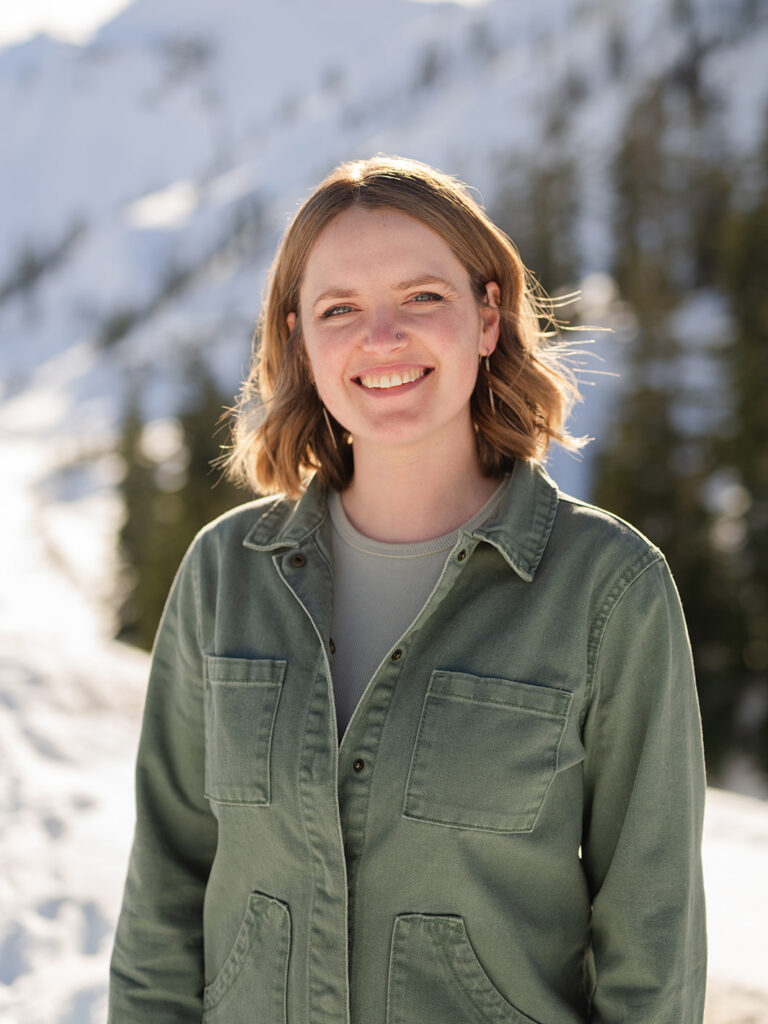
About the Artist
Climate change artist Jill Pelto is currently based in Bellingham, Washington. She grew up in Massachusetts, lived in Maine for a decade, and New Mexico briefly.
Pelto completed her BA degrees in Studio Art and Earth Science before continuing on to complete a Master of Science degree at the University of Maine in August 2018, where she focused on studying the sensitivity of the Antarctic Ice Sheet to changes in the Earth-Climate system. She has conducted research on the mountain glaciers of Washington and British Columbia, in the Dry Valleys and Transantarctic Mountains of Antarctica, in the Falkland Islands, and in New Zealand. Jill Pelto is also the Art Director of the North Cascade Glacier Climate Project, which she co-leads with her father, Science Director Dr. Mauri Pelto.
Pelto’s artwork has been featured on the cover of TIME Magazine, at the Peabody Essex Museum, and was used on the cover of the North Cascade Conservation Council journal.