
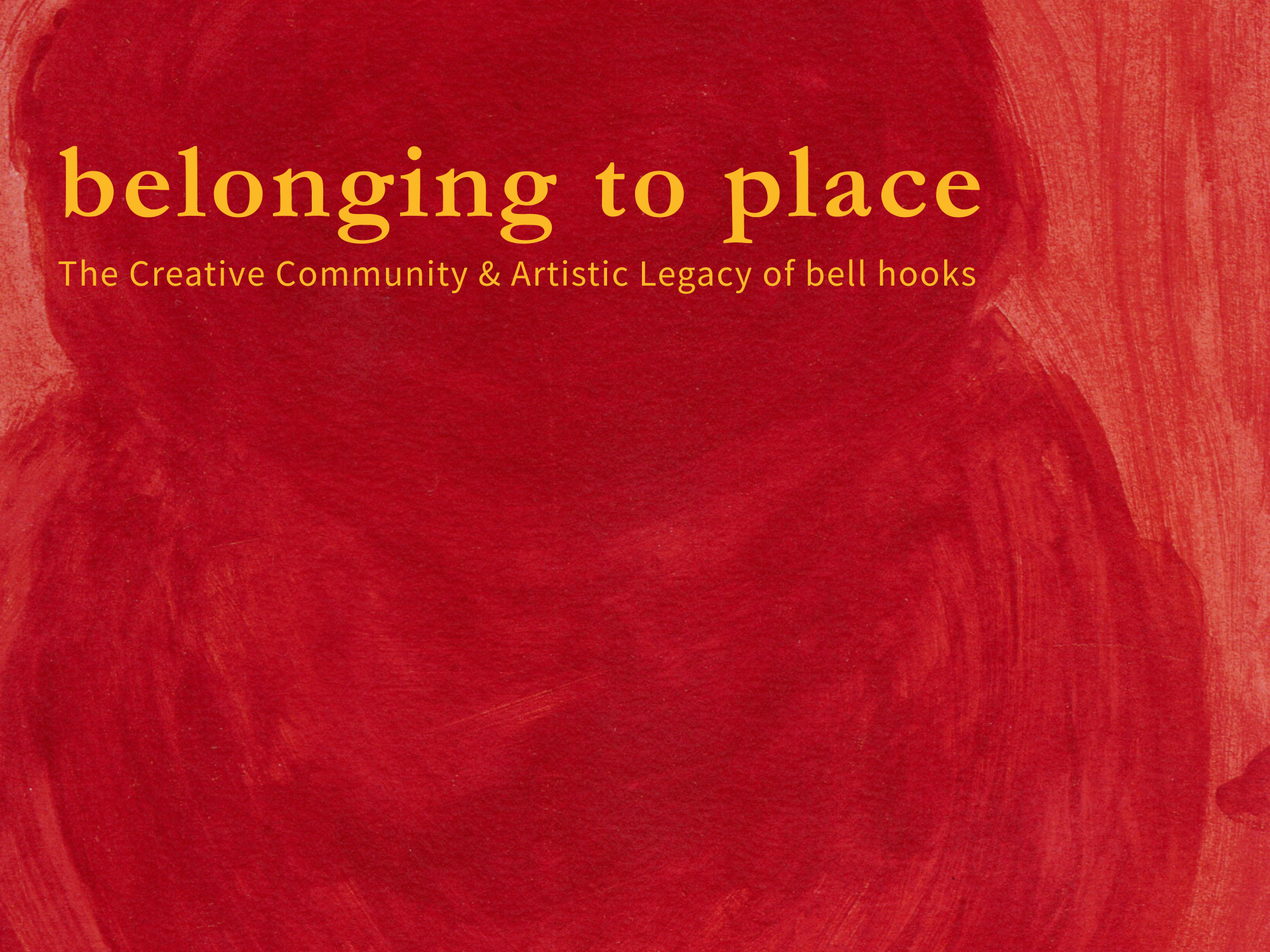
bell hooks, “When I remember I see red 10.” Courtesy of The Estate of Gloria Watkins aka bell hooks. All Rights Reserved.
In Belonging: A Culture of Place (1990), Black feminist writer, activist, and cultural critic bell hooks writes, “…it was my flight from Kentucky, my traveling all the way to the west coast, to California, that revealed to me the extent to which my sense and sensibility was deeply informed by the geography of place.”
bell hooks’s own sense of belonging to place, to Appalachia, and her commitment to nourishing the imagination of folks in rural areas is evident at the bell hooks Institute at Berea College in Berea, Kentucky, where her archive is also housed. Installed at the Institute is hooks’s private collection of artworks created by well-known contemporary Black artists— including Alison Saar and Elizabeth Catlett— as well as those created by herself, her family members, and artists in her community. In addition to creating access to this artwork, she wanted anyone interested in her life’s work to come to Kentucky, to hear her people speak, and to see the hills she came from, proclaiming, “everything that I am was made in the ground of Kentucky.” (Madison County Public Library, “See the Art, Meet the Artisan: bell hooks” 2015). With this exhibition and forthcoming book publication, we hope to build upon the creative community that hooks engaged and supported throughout her life.
Entering the bell hooks Institute is akin to entering a sanctuary—one where you can still hear music wafting from a small CD player tucked in the corner of the dining room underneath a signed letterpress print of Audre Lorde’s “A Litany for Survival;” where a cluster of candles nestled in the fireplace feel as though they could have been lit just this morning to enjoy the company of the artworks they illuminate. You can feel the energy of bell’s spirit lingering in the air and the almost-animate rocking chairs at the front of the room where she held intimate conversations with the people of Berea, her friends, and notable thinkers including Imani Perry, Laverne Cox, Cornel West, and Gloria Steinem. Turning a corner in this space is to enter a portal of limitless possibility. Though hooks wrote extensively about art and visual culture, as well as her creative and collecting practices, her impact in this realm rarely receives the credit it is due. When the established art world rejected hooks’s criticism, she created a new kind of space that defies typical museum and gallery practices, proving that more is possible.
As an expansion of this vision and hinging on our love of bell, who taught us to love, this project holds our community within its embrace. The artists included in this exhibition are teachers, students, activists, and inspirations. In alignment with hooks, as curators, we intentionally cross traditional creative and curatorial boundaries by holding the work of our siblings, romantic partners and lifelong friends in the same regard as that of highly exhibited artists. For many featured in this exhibition, their time in Appalachia continues to shape, ground, and show up in their work. For others, their connection to the region lies squarely with hooks, as she brought their work to the bell hooks Institute and hosted artist residencies where they taught and were in dialogue with her community.
The work in this exhibition documents the complicated process of coming to see and belong to a place often exploited and marginalized. Together, the artists elevate and contribute to familial and collective histories that find sanctuary in conversation with land, our own imaginative processes, and the interwoven communities we are a part of. Our work reaches across time, space, and geography to pollinate one another, and us, as it builds upon the legacy of the artists represented at the bell hooks Institute.
– E. Gale Greenlee and shauna caldwell, Guest Curators
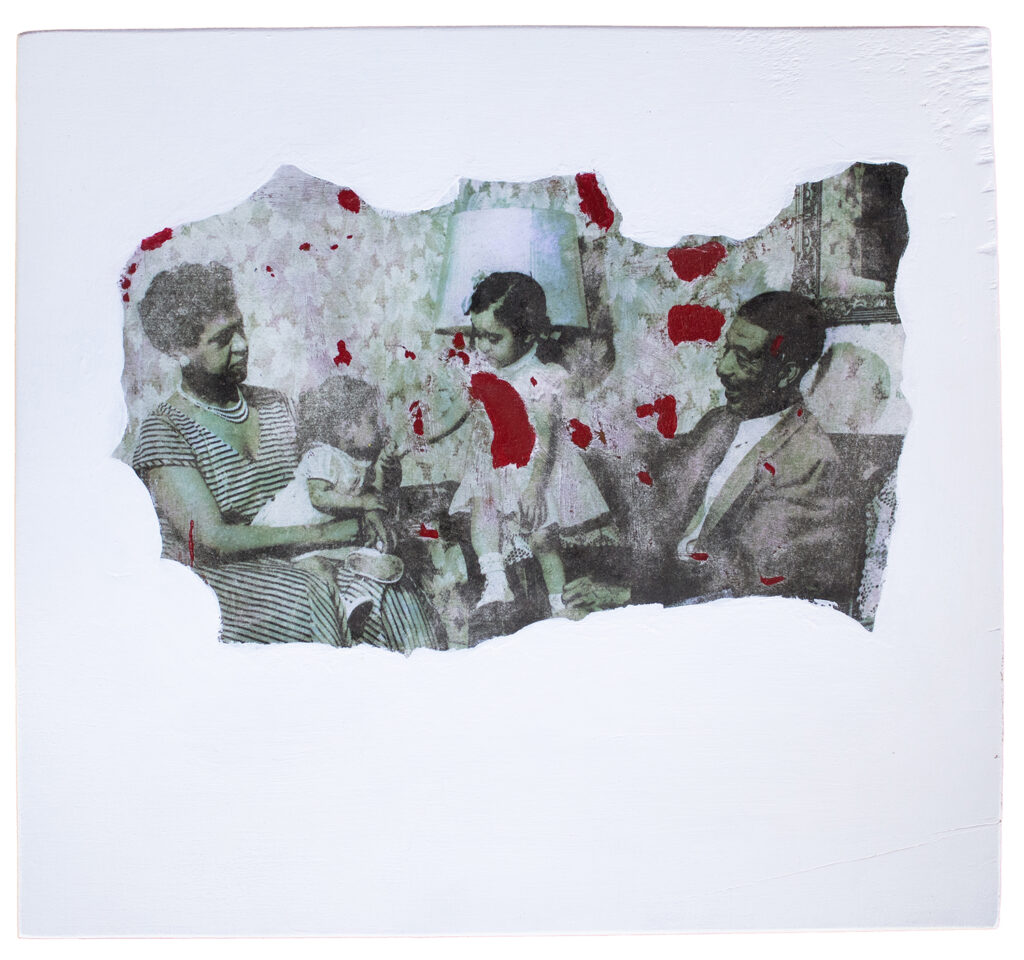
Lauren D. Cunningham: "Home"
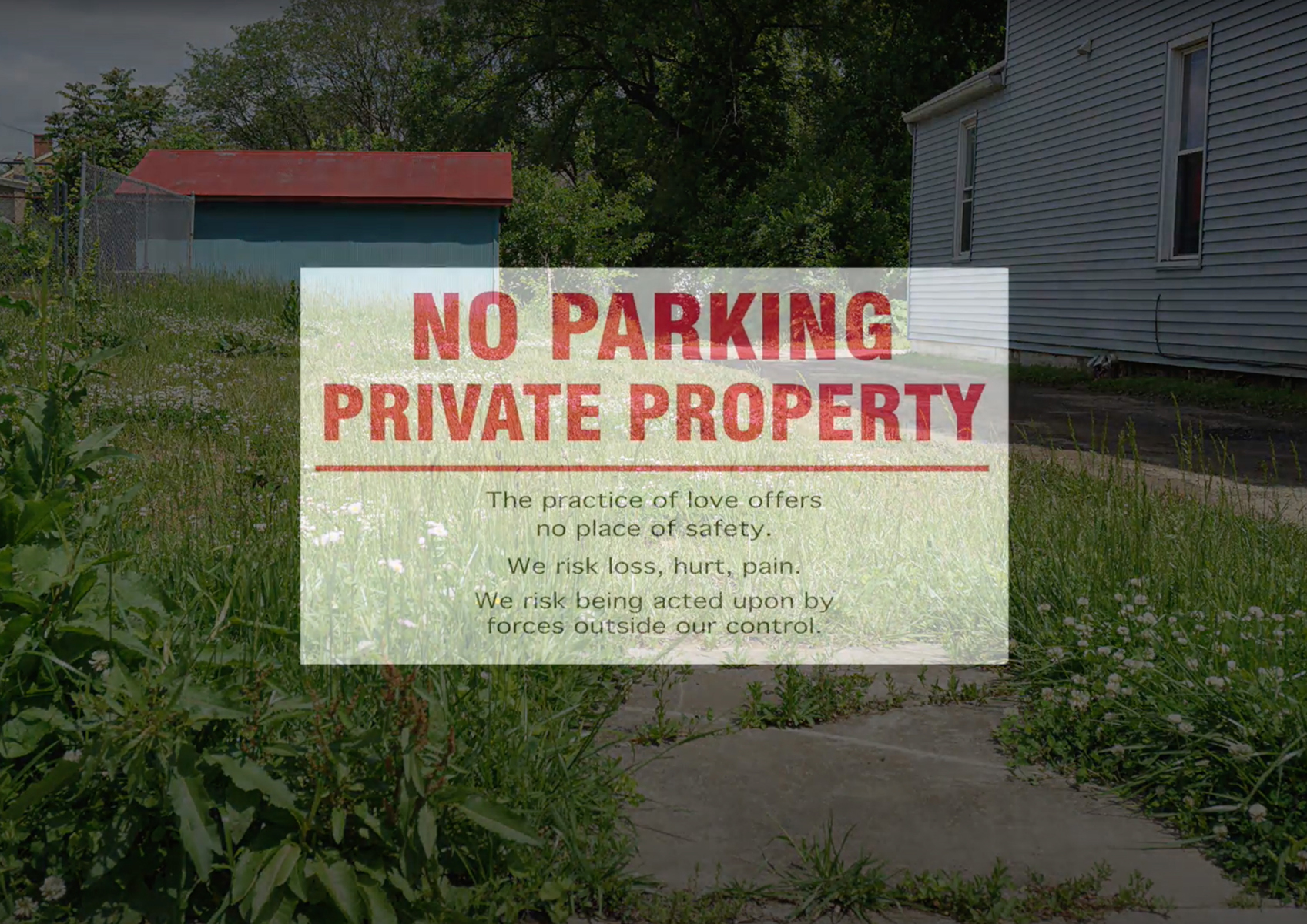
Anissa Lewis: Image still from video, "Exposed to Air, to View: Not Covered"
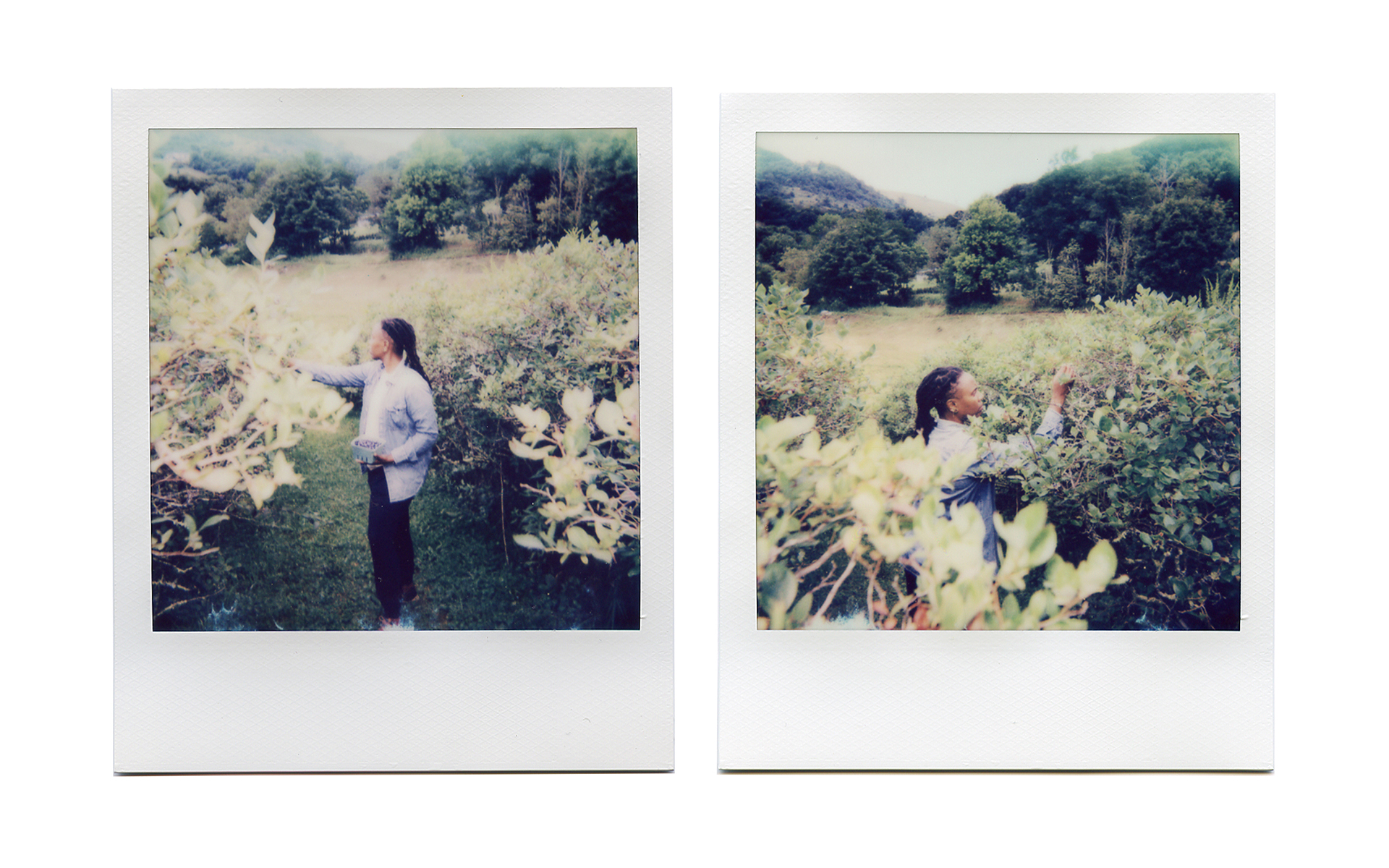
C. Choice, "healing space"
Featured Artists
- Jasmine Best
- Elizabeth Catlett
- C. Choice
- Lauren D. Cunningham
- Wendy Ewald
- Elle Ivy Green
- bell hooks
- NitaJade
- Megan G. King
- Joy tabernacle KMT-Battle
- Anissa R. Lewis
- Rebecca-Eli M. Long
- rosy petri
- Glenis Redmond
- Alison Saar
- Stephanie Santana
- lydia see
- Brea Shay
- Chanell Stone
About bell hooks, i.e., Gloria Jean Watkins
bell hooks was born Gloria Jean Watkins on September 25, 1952, in the small (then) segregated town of Hopkinsville, Kentucky. She chose the name bell hooks in honor of her maternal great grandmother, Bell Blair Hooks, who was known for “talking back” and always “speaking her mind.” She also chose to write her name in lower-case letters to maintain the focus on the work, and not the author (though the fascination with the lower-case spelling of her name continues even after her death).
bell earned her B.A. in English from Stanford University, an M.A. in English from the University of Madison, Wisconsin, and her Ph.D. in English from the University of California, Santa Cruz. She held many academic positions, including at Yale University, Oberlin College, and the City College of New York. Publishing her first major work, Ain’t I a Woman (1981), at the unbelievably young age of 19, bell blazed a path forward for other academics, writers and public intellectuals who lived and worked both within, and outside the academy.
In 2004, bell chose to return to her beloved Kentucky and spent the remainder of her career and life living, working, writing, and lecturing at Berea College, where she served as a Distinguished Professor in Residence. She chose to return because she wanted scholars and intellectuals to know that “genius” comes from Kentucky, and that her intellectual and political roots ran deep in the soil. bell famously stated, often to the chagrin of those who loved her, that she was going to “die” in Berea. On December 15, 2021, bell departed her life in her home after being visited by a veritable treasure trove of family, friends, and loved ones. She lived as she died, on her own terms.
Biography provided courtesy of Dr. Linda Strong-Leek, friend and director of the bell hooks Institute
This exhibition is presented in partnership with the bell hooks Institute at Berea College in Berea, Kentucky. There will be an official relaunch of the bell hooks Institute this fall, during the week of September 21-25, with guest speakers each day, culminating in a celebration of bell’s life on September 25 (which would have been her 74th birthday).
About the Curators
E. Gale Greenlee (she/her) is a Black feminist legacy keeper, a writer-educator, and independent children’s literature and Black Girlhood Studies scholar. Born in Greensboro, North Carolina, her maternal roots lie in rural South Carolina and her paternal roots go six generations deep in the Swannanoa Valley of Western North Carolina. She holds a B.A. in Journalism and Mass Communication from the University of North Carolina at Chapel Hill, an M.A. in Africana Women’s Studies from Clark Atlanta University, and a doctorate in African American literature from The University of North Carolina at Chapel Hill. Her research sits at the intersection of Black and Latinx girlhood studies, critical geography, and children’s and young adult literature. She is the author of “A Blueprint for Black Girlhood: bell hooks’s Homemade Love” and “The Archive that bell Built.” Gale co-curated the installation in the bell hooks center and co-organized the Inaugural bell hooks Symposium, held in 2023 at Berea College.
shauna caldwell (she/her) is a white Appalachian artist, educator, curator, and scholar rooted in her hometown of Boone, North Carolina. She uses multimedia and photographic processes to honor land, familial connections, sacred relationships, and transformation. Through her practice, she explores collaborative opportunities for the expansion of Appalachian placemaking and liberatory feminist belonging through the arts and loving community. caldwell received BFAs in both Studio Art and Art Education, and an M.A. in Appalachian Studies and Non-Profit Administration at Appalachian State University. She has exhibited her work locally, nationally, and internationally.